Roof rat and rodent exclusion in Phoenix targets the arboreal nesting behaviors of desert rodents that exploit architectural gaps in residential structures. In citrus-dense neighborhoods such as Arcadia and the…
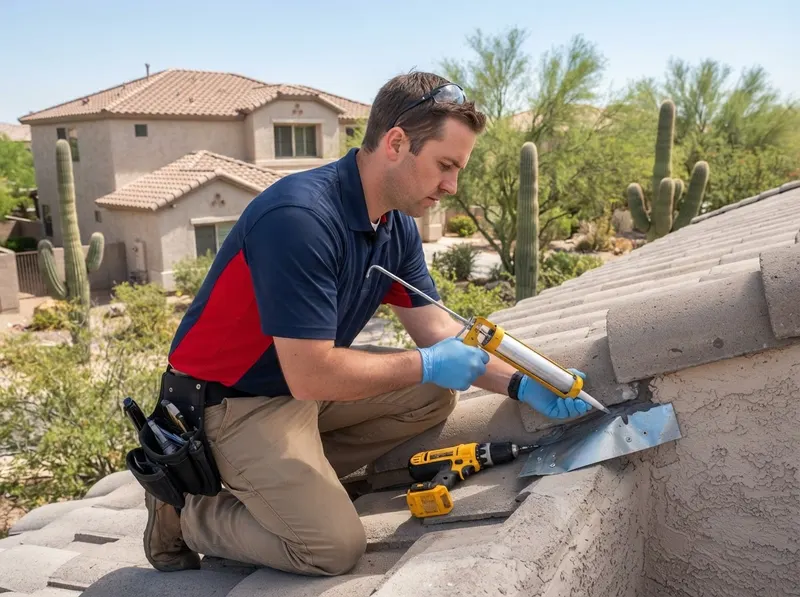
Roof rat and rodent exclusion in Phoenix targets the arboreal nesting behaviors of desert rodents that exploit architectural gaps in residential structures. In citrus-dense neighborhoods such as Arcadia and the Biltmore Area, roof rats access tile roofs and Spanish barrel tile transitions through untrimmed palm fronds and fruit-bearing trees. During the extreme summer heat exceeding 115 degrees, these rodents migrate into insulated attic spaces to escape radiant desert temperatures, chewing through electrical wire jackets, flexible HVAC ducts, and plumbing lines. Standard pest management applications like broadcast perimeter sprays or temporary expanding foams fail to deter rodents; rats gnaw through cured polyurethane foam within hours. Permanent defense requires mechanical fortification with rust-resistant hardware that withstands intense UV degradation.
The physical exclusion process focuses on primary structural vulnerabilities common to Maricopa County homes. Technicians seal uncapped plumbing vents, air conditioning chase lines, foundation weep screeds in stucco walls, and gable vents using 1/4-inch galvanized steel wire mesh. In older architectural properties across Encanto Village and the Willo Historic District, transition junctions between tongue-and-groove soffits and brick chimneys demand tailored metal flashing. In desert-adjacent communities like Ahwatukee Foothills and North Mountain Village, native pack rats also target attic subfloors and crawlspaces, carrying cholla cactus joints and nesting debris that create severe fire hazards. Mechanical barrier installation removes the entry pathways completely, neutralizing indoor biological hazards without relying indefinitely on rodenticides that risk secondary poisoning of household pets or native raptors.
Decision trade-offs govern the selection between trapping programs and mechanical exclusion. Trapping alone reduces active attic rodent counts over 7 to 14 days, but leaving entry gaps unsealed results in reinvasion from neighboring tree canopies within weeks. Full mechanical exclusion carries higher upfront material and labor costs, yet terminates the cycle of recurring rodent damage. Properties bordering wash corridors in Desert Ridge or dense residential layouts in Maryvale require total perimeter fortification from the foundation ground line up to the highest ridgeline to maintain an impenetrable envelope against persistent desert rodent populations.
Every job gets a firm, written price after a free on-site visit.
Tell us about your roof rat and rodent exclusion job in Phoenix and we'll send a clear, written quote, usually the same day.
 Blue Barrel Pest Control